
Call us now :08045802108
 Send Inquiry
 Send Inquiry
Test Sieves
Test Sieves Specification
- Measuring Range
- Wide range of particle sizes
- Test Range
- Fine to coarse particles
- Port Size
- Various sizes available
- Number of Specimens
- Multiple
- Resolution
- Precise sieving
- Accuracy
- High
- Application
- Material Testing
- Features
- Durable High precision
- Mounting Type
- Portable
- Power Supply
- None
- Specimen Size
- Varies based on sieve size
- Response Time
- Immediate
- Temperature
- Ambient conditions
- Usage
- Particle separation and sizing
- Capacity
- Multiple Specimens
- Machine Weight
- Lightweight
- Test Speed
- Controlled manually
- Test Width
- Varies based on sieve size
- Control Mode
- Manual
About Test Sieves
Technical Specification
- Brass Sieve 200mm.
- As Per IS 460 Part 1 1985.
- 4.75mm, 4.00mm, 3.35mm, 2.80mm, 2.36mm, 2.00mm, 1.70mm, 1.40mm, 1.18mm, 1.00mm, 850 Microns, 710 Microns, 600 Microns, 500 Microns, 425 Microns, 355 Microns, 300 Microns, 250 Microns, 212 Microns, 180 Microns, 150 Microns, 125 Microns, 106 Microns, 90 Microns, 75 Microns, 63 Microns, 53 Microns, 45 Microns, 38 Microns, 38 Microns, 25 Microns.
- Lid & Pan Brass For 200mm Dia Brass Sieves.
Reliable Particle Separation and Sizing
Our test sieves guarantee high precision particle separation, accommodating specimen sizes that vary with each sieve. With manually regulated test speeds, users can ensure accuracy under ambient conditions. The sieves handle multiple samples at once, optimizing efficiency for quality material testing and research applications.
Flexible and Portable for Varied Applications
With their lightweight, portable design and availability in various port and test width sizes, these test sieves are engineered to fit a broad spectrum of testing requirements. Designed for ease of use and versatility, they are suitable for both laboratory and onsite testing across India's industrial sectors.
FAQ's of Test Sieves:
Q: How do I use test sieves for material particle separation?
A: To conduct particle separation, simply place your specimen on the appropriate test sieve. Stack additional sieves with progressively finer mesh sizes if required. Manually agitate or shake the sieves to allow particles to pass through according to size, ensuring high accuracy and precise results.Q: What types of materials can these test sieves evaluate?
A: These test sieves are suitable for evaluating a wide range of materials, from fine powders to coarse aggregates, making them ideal for diverse applications in construction, mining, pharmaceuticals, and laboratories.Q: When should I select different sieve sizes and port options?
A: Choose sieve sizes and port options based on the specific particle size range and specimen quantity you need to test. Larger ports and wider test diameters handle bigger volumes or grains, while finer meshes are suited for powders and smaller samples.Q: Where can these test sieves be used most effectively?
A: Thanks to their portable and lightweight design, these sieves are effective in both laboratory environments and remote field locations, providing flexibility for industries across India.Q: What is the process for cleaning and maintaining the sieves?
A: After each use, gently clean the sieves with a soft brush or using mild detergent and water if necessary. Allow them to dry completely before storage to maintain accuracy and prolong their lifespan.Q: How do manual controls benefit the sieving process?
A: Manual operation allows users to control test speed and intensity, ensuring delicate or precise particle separation when needed. This contributes to high accuracy and reliable results with every use.Q: What are the key benefits of choosing these test sieves?
A: The main advantages include immediate response time, high precision, broad measuring range, and the capacity to process multiple specimens efficiently without the need for external power sources.
Tell us about your requirement

Price:
Quantity
Select Unit
- 50
- 100
- 200
- 250
- 500
- 1000+
Additional detail
Mobile number
Email

More Products in 10 SOIL TESTING EQUIPMENTS & SURVEYING INSTRUMENTS Category
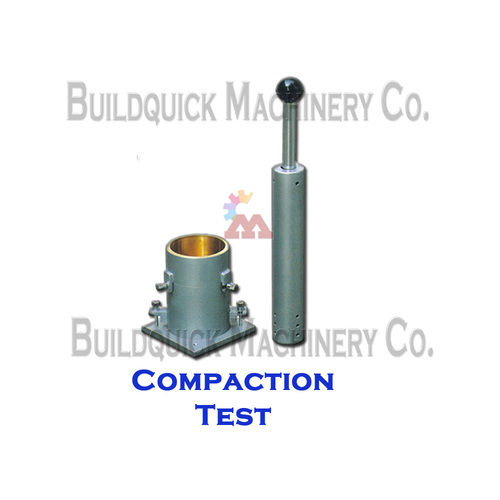
Compaction Test
Control Mode : Manual / Automatic
Usage : Used for determining the compaction properties of soil
Application : Compaction test for soil analysis
Features : Heavyduty frame, Adjustable rammer
Mounting Type : Standalone equipment
Accuracy : 1% of reading
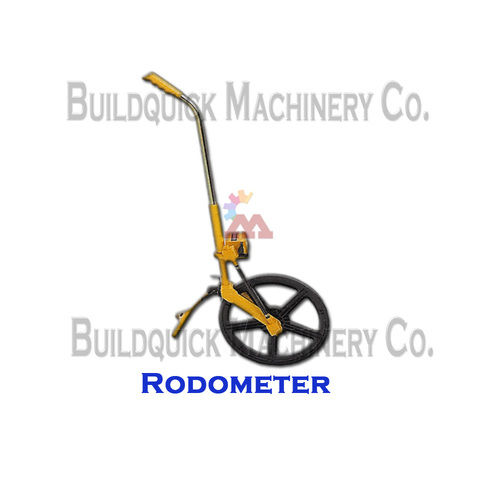
Rodo Meter
Control Mode : Manual
Usage : Measurement and Testing for Industrial & Laboratory Applications
Application : Automotive, Textile, Material Testing, Research & Development
Features : Wheelbased design sturdy handle lightweight
Mounting Type : Handheld/Portable
Accuracy : High accuracy for measurement
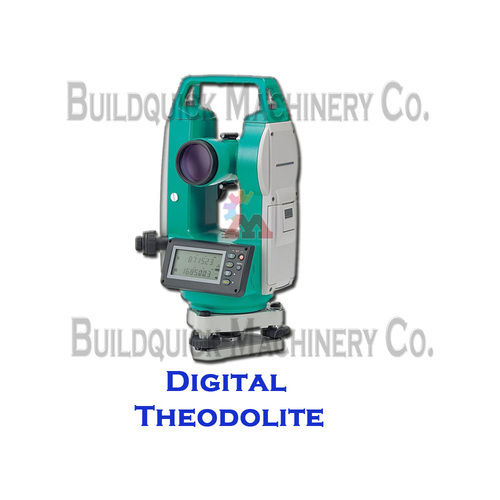
Digital Theodolite
Control Mode : Digital Interface
Usage : Surveying Leveling Angular Measurement
Application : Surveying and Construction
Features : High precision digital display easy setup
Mounting Type : Tripod mount
Accuracy : 2 seconds
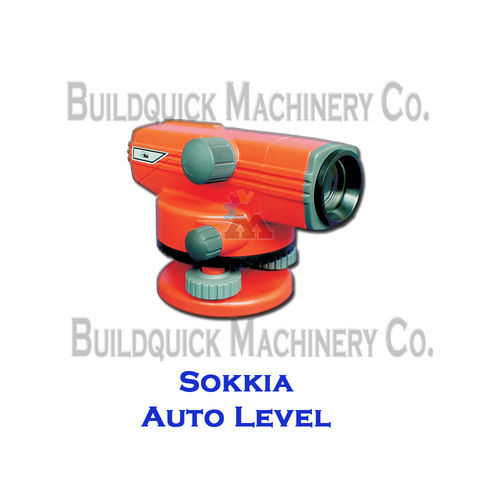
Sokkia Auto Level
Control Mode : Manual
Usage : For leveling elevation measurement and civil engineering tasks
Application : Surveying and construction
Features : Durable lightweight and robust design
Mounting Type : Tripodmounted
Accuracy : High precision for leveling applications

 Send Inquiry
Our Products
- 01 STEEL BAR MACHINERY
- 02 Concrete & Block Making Machines
- 03 CONCRETE VIBRATORS
- 04 Road Machinery
- 05 Material Handling Equipments
- 06 Scaffolding Products & Ladders
- 07 Welding, Wood-Working & Fabrication
- 10 SOIL TESTING EQUIPMENTS & SURVEYING INSTRUMENTS
- 11 MOTORS
- 11 ENGINES
- 11 PUMPS
- 12 BEARINGS, M.S. & S.S. PIPES & BARS
- 13 PRECISION & TESTING INSTRUMENTS
- 14 INDUSTRIAL MACHINERY
- 17 AGRICULTURAL EQUIPMENTS
- 18 SAFETY EQUIPMENTS
- 19 M.S., S.S. & GRP FABRICATED PRODUCTS
- 21 TUNNEL BORING MACHINE & ACCESSORIES


GF-19, Jaydeep Tower, Near Shreyas Crossing, Paldi,Ahmedabad - 380007, Gujarat, India

Mr. Bhushan
(Partner)
Mobile :08045802108
 Send Inquiry
 Send SMS
Developed and Managed by Infocom Network Private Limited.
