
Call us now :08045802108
 Send Inquiry
 Send Inquiry
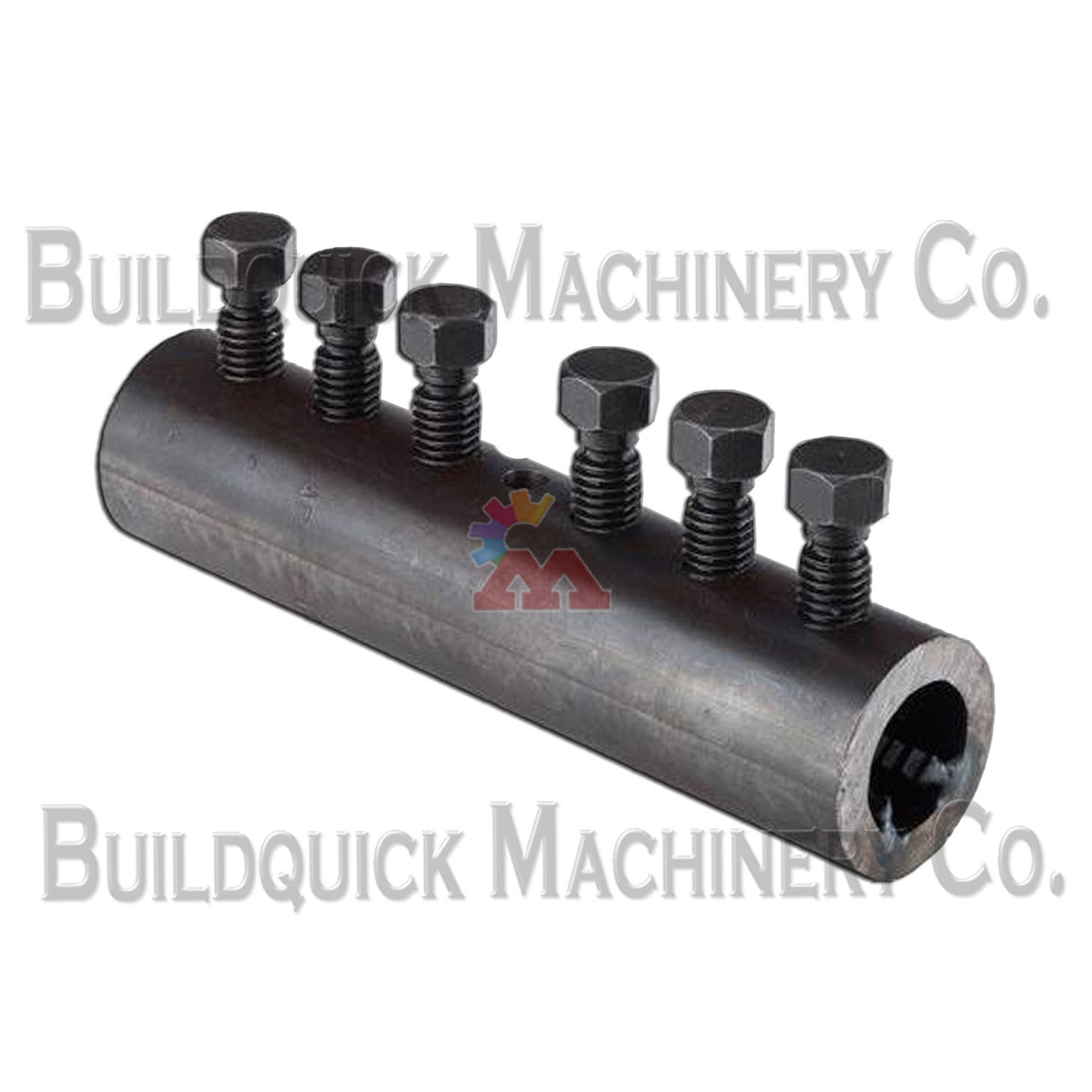
Rebar Coupler
Price 30 INR/ Unit
MOQ : 1 Piece
Rebar Coupler Specification
- Surface
- Galvanized or Black Oxide Finish
- Product Type
- Rebar Coupler
- General Use
- Reinforcement Bar Connection in Construction
- Material
- Steel
- Type
- Threaded Mechanical Coupler
- Capacity
- Up to 40 mm Rebar Diameter
- Weight (kg)
- Varies with Size (Approx. 0.15 - 1.5 kg)
- Computerized
- No
- Automatic
- No
- Control System
- Manual Installation
- Method
- Threaded Joint
- Dimension (L*W*H)
- Varies According to Model (e.g., 50-150 mm Length)
- Feature
- High Strength, Easy Installation, High Tensile Performance
- Color
- Metallic Grey or Black
- Packing Type
- Carton or Wooden Box
- Shape
- Cylindrical
- Tensile Strength
- >= 600 MPa
- Thread Type
- Metric Fine Thread
- Connection Type
- Parallel Threaded
- Installation
- No Welding Required
- Rebar Size Compatibility
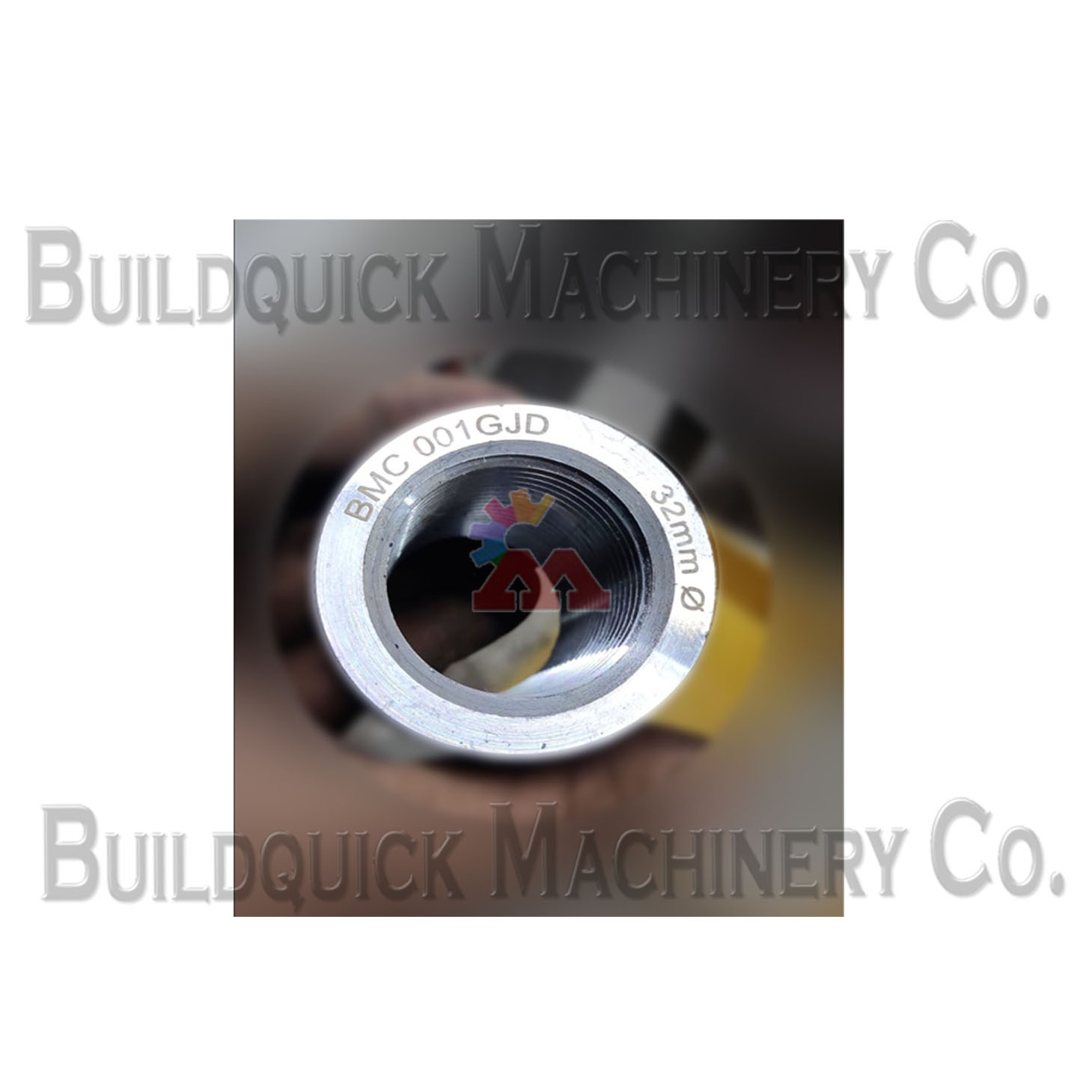
- 12mm to 40mm
- Corrosion Resistance
- Yes
- Application
- Building Construction, Bridges, Roads, Industrial Structures
- Minimum Order Quantity
- 100 Pieces
- Compliance Standard
- ISO 15835, BS 8110, ACI 318
About Rebar Coupler
Mechanical rebar connections, also known as mechanical splices or mechanical coupler, are used to join lengths of rebar together to transfer forces from one steel rebar to another.Efficient and Reliable Rebar Connection
Parallel Threaded Rebar Couplers provide a hassle-free, high-strength solution for joining reinforcement bars in diverse construction applications. The precise metric fine threads and robust steel material ensure a secure, durable connection, making them ideal for infrastructure projects such as bridges, buildings, and roads. Their easy installation process streamlines site work and enhances structural integrity.
Superior Compliance and Performance
Meeting ISO 15835, BS 8110, and ACI 318 standards, these couplers ensure compliance with international construction codes. With a minimum tensile strength of 600 MPa, users benefit from reliable performance under heavy loads. Corrosion resistance further guarantees long-term durability, while the accommodating design fits rebar sizes from 12mm to 40mm, making these couplers versatile for varied structural needs.
Installation Made Simple - No Welding Required
The threaded mechanical coupling method allows quick and straightforward installation. There is no need for specialized machinery or welding-only manual tools are required. This reduces labor time, safety risks, and costs, accelerating project turnaround. The couplers arrive securely packed in cartons or wooden boxes for easy handling and site storage.
FAQ's of Rebar Coupler:
Q: How is the Parallel Threaded Rebar Coupler installed in construction projects?
A: The coupler is manually screwed onto the prepared ends of two rebars using a compatible wrench or spanner. No welding or complex machinery is required, ensuring a secure mechanical threaded joint that saves installation time and reduces potential safety risks.Q: What are the advantages of using Parallel Threaded Rebar Couplers over traditional splicing methods?
A: These couplers offer high tensile strength, simple manual installation, excellent corrosion resistance, and compliance with major standards. They eliminate the need for welding, thereby improving site safety, minimizing labor costs, and speeding up construction timelines.Q: When is it recommended to use this type of mechanical rebar connector?
A: Parallel threaded rebar couplers are ideal for use in reinforcement connections within buildings, bridges, roads, and industrial structures. They are especially beneficial when high strength, quick installation, and code compliance are required on site.Q: Where can these couplers be sourced in India?
A: You can obtain these couplers from established distributors, manufacturers, suppliers, and service providers across India who specialize in reinforcement solutions and construction materials.Q: What process should be followed to ensure proper coupling for different rebar sizes?
A: Select the coupler size according to the rebar diameter (compatible from 12mm to 40mm) and match the metric fine thread type. Clean and prepare rebar ends before threading, then manually tighten the coupler to achieve a secure connection. Always adhere to manufacturer guidelines and relevant standards.Q: How does corrosion resistance benefit the structure in long-term projects?
A: The galvanized or black oxide finish protects the coupler from rust and environmental damage, ensuring the integrity and longevity of the connection, especially in exposed or humid construction environments.Q: What packing options are available, and how does it help on-site handling?
A: Couplers are supplied in cartons or wooden boxes, facilitating organized, safe transport and efficient on-site storage, reducing losses and improving logistics during large-scale construction activities.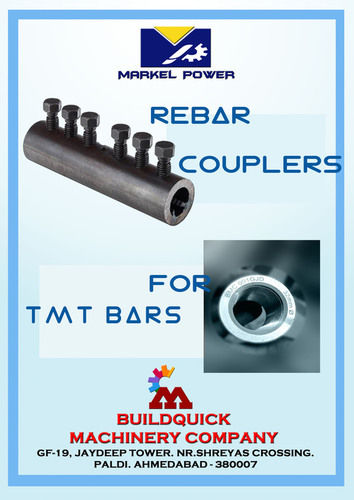
Tell us about your requirement

Price:
Quantity
Select Unit
- 50
- 100
- 200
- 250
- 500
- 1000+
Additional detail
Mobile number
Email

More Products in 01 STEEL BAR MACHINERY Category
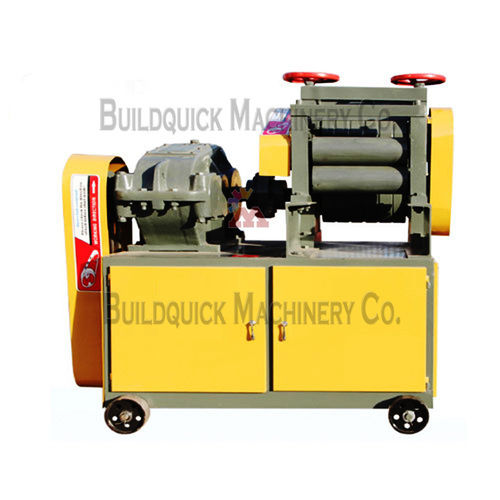
Bar Scrap Straightening Machine BMC-12BSM
Price 100-800000 INR / Unit
Minimum Order Quantity : 1 Unit
Color : Other, Blue & Orange
Method : Other, Roller Straightening
Automatic : Yes
Dimension (L*W*H) : 1280 x 800 x 900 mm
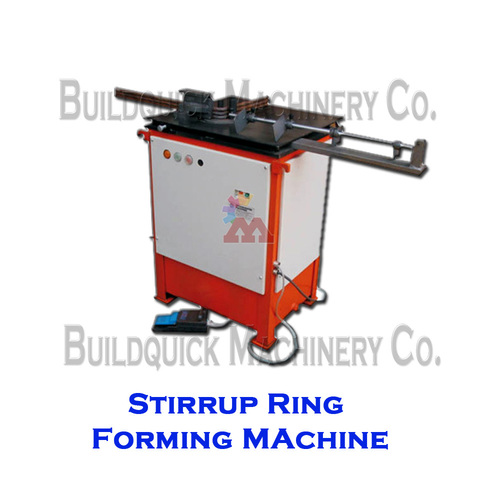
Stirrup Ring Forming Machine
Price 100-800000 INR / Unit
Minimum Order Quantity : 1 Unit
Color : Other, Blue/Yellow
Method : Other, Cold Bending
Automatic : Yes
Dimension (L*W*H) : 2350 mm x 850 mm x 1450 mm
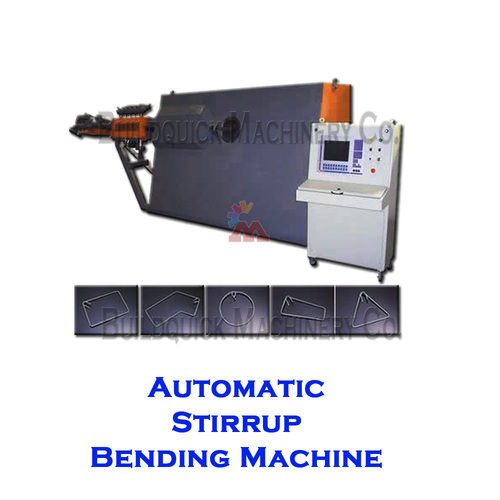
Automatic Stirrup Bending Machine BMC-ASB(2)
Price 100-800000 INR / Unit
Minimum Order Quantity : 1 Unit
Color : Other, Yellow & Black
Method : Other, CNC Bending
Automatic : Yes
Dimension (L*W*H) : 3200 mm x 1000 mm x 1800 mm
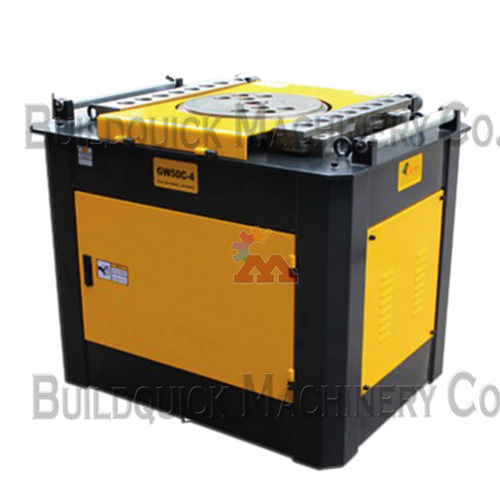
Bar Bending Machine MP BB GW 50 C
Price 100-800000 INR / Unit
Minimum Order Quantity : 1 Unit
Color : Other, Blue & Yellow
Method : Other, Mechanical
Automatic : Yes
Dimension (L*W*H) : 950 x 830 x 900 mm

 Send Inquiry
Our Products
- 01 STEEL BAR MACHINERY
- 02 Concrete & Block Making Machines
- 03 CONCRETE VIBRATORS
- 04 Road Machinery
- 05 Material Handling Equipments
- 06 Scaffolding Products & Ladders
- 07 Welding, Wood-Working & Fabrication
- 10 SOIL TESTING EQUIPMENTS & SURVEYING INSTRUMENTS
- 11 MOTORS
- 11 ENGINES
- 11 PUMPS
- 12 BEARINGS, M.S. & S.S. PIPES & BARS
- 13 PRECISION & TESTING INSTRUMENTS
- 14 INDUSTRIAL MACHINERY
- 17 AGRICULTURAL EQUIPMENTS
- 18 SAFETY EQUIPMENTS
- 19 M.S., S.S. & GRP FABRICATED PRODUCTS
- 21 TUNNEL BORING MACHINE & ACCESSORIES


GF-19, Jaydeep Tower, Near Shreyas Crossing, Paldi,Ahmedabad - 380007, Gujarat, India

Mr. Bhushan
(Partner)
Mobile :08045802108
 Send Inquiry
 Send SMS
Developed and Managed by Infocom Network Private Limited.
